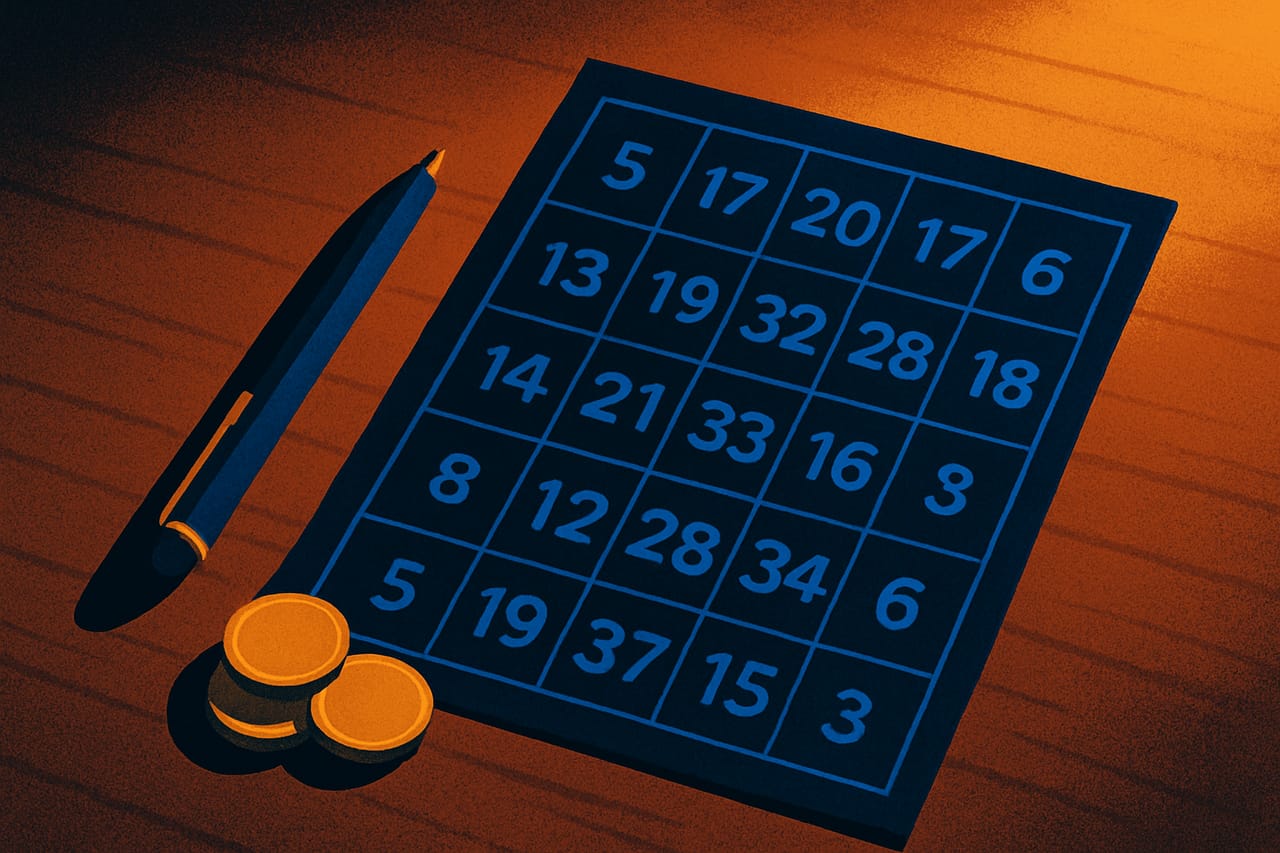

Bingo interest is climbing again this month, and most of that traffic lands on whichever room is open, without much thought for what's actually printed on the ticket. The ball count and the room format change the odds, the pace, and the prize far more than most players realise.
90-ball and 80-ball are genuinely different games
90-ball bingo is the format most UK players grew up with, built around three prize tiers on a single ticket: one line, two lines, and a full house. The ticket has 15 numbers across three rows, and because there are 90 possible numbers in the draw, games tend to run longer, with a full house often taking 40 to 50 calls to land.
80-ball bingo flips the layout to a 4x4 grid with 16 numbers per ticket, and games are built around patterns rather than just lines, think four corners, a cross shape, or a full card. Because there are fewer numbers in the pool, patterns complete faster, which makes 80-ball feel snappier and better suited to a quick session between other things.
Neither format pays better on average once you account for ticket price and prize pool size, but they suit different moods. 90-ball rewards patience and works well as background play across a longer sitting. 80-ball is built for someone who wants a result inside ten minutes and is happy to buy into the next round straight after.
Speed bingo and why the room fills in minutes
Speed bingo strips out the waiting entirely. Calls come out roughly twice as fast as a standard 90-ball room, rounds finish in under two minutes, and the room resets almost immediately for the next one. It's built for a player who wants volume, more rounds per hour rather than one long session.
That pace comes with a trade-off worth knowing before you buy in. Faster calling means less time to process the board, and most speed bingo rooms lean on auto-mark features by default because keeping up manually across dozens of numbers a minute isn't realistic. If you're the type who likes tracking your own card, a standard-pace 90-ball room will suit you better than speed formats.
The other thing speed rooms change is bankroll pacing. Ten rounds an hour at £1 a ticket adds up faster than the same spend across a single slower 90-ball session, even though the per-ticket cost hasn't moved. Setting a per-session spend limit before you open a speed room, rather than a per-ticket one, keeps the math honest across a fast-moving night.
Ticket price versus prize pool, the maths that actually matters
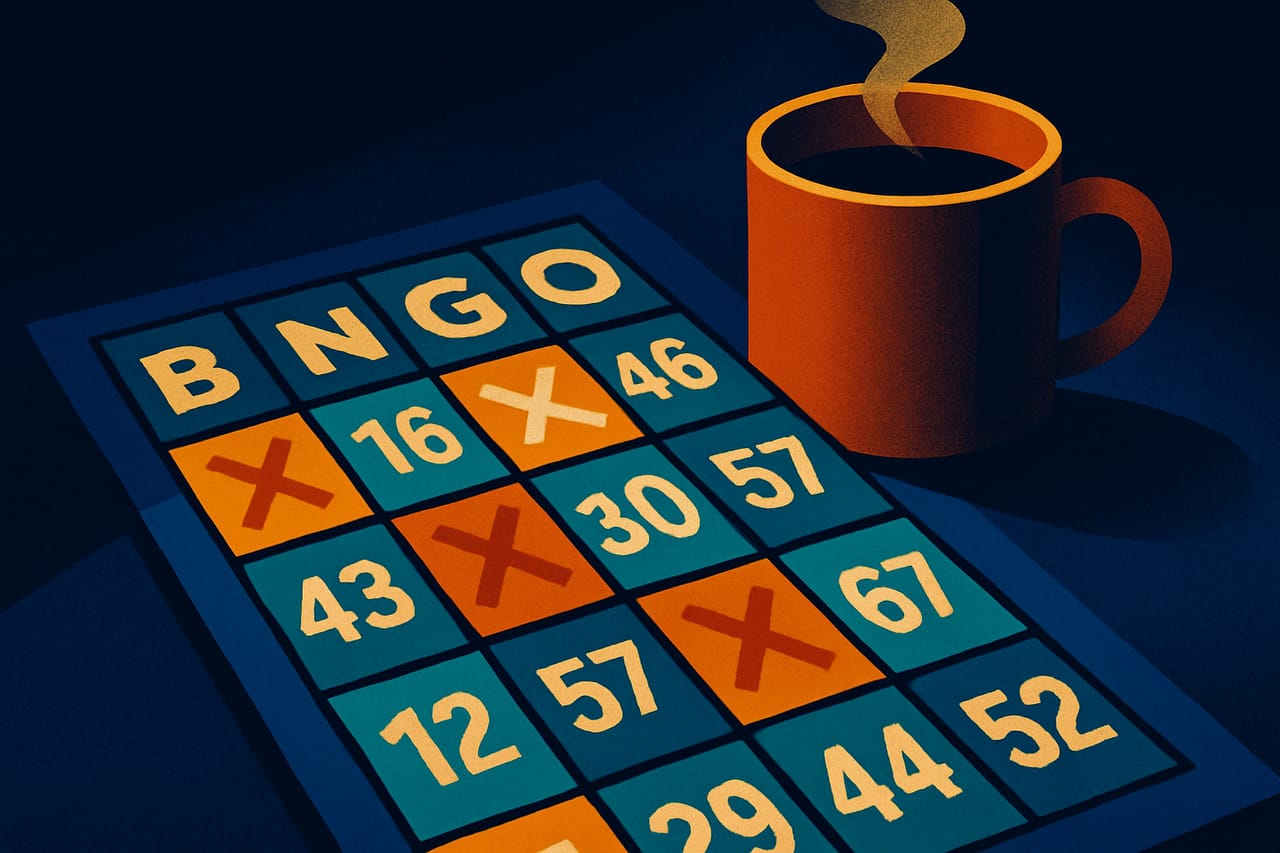
A cheap ticket isn't automatically the better deal. What matters is the return relative to the prize pool, and that ratio swings a lot between rooms. A 50p ticket in a room with a £20 prize pool and 200 players in it returns far less proportionally than a £2 ticket in a room capped at 30 players chasing the same size prize.
Room size is the number worth checking before you buy in, and most bingo lobbies display it upfront. Fewer players chasing the same prize pool means better odds per ticket, even if the individual ticket costs more. A packed room with a huge headline jackpot looks tempting, but your actual chance of winning it is stretched thin across everyone else in there.
Progressive bingo jackpots work on a similar principle to slots: a portion of every ticket sold feeds a shared pot that grows until someone completes the full house within a set number of calls. Those jackpots can run into thousands, but they're capped by a call limit, so checking how many calls have already gone out before you buy a late ticket tells you roughly how close, or far, that jackpot actually is.
Chat rooms turn a solitary game social
A big part of bingo's staying power online has nothing to do with the numbers at all. Most rooms run a live chat alongside the game, with a chat host calling out mini-games, trivia, and side prizes between the main rounds. It's the closest thing online play has to the atmosphere of a bingo hall, and it's a genuine draw for players who'd otherwise find a solitary slot session a bit flat.
Chat-based side games usually run on separate small prize pools, funded by the room rather than your ticket price, so joining in costs nothing extra beyond being logged into the room. They're worth engaging with if you're playing a slower 90-ball format anyway, since the wait between calls is exactly when chat games run.
It's also where a lot of players first hear about promotions, free ticket giveaways, and loyalty perks that don't always make it into the main promotions page. Sticking around in a room you enjoy, rather than hopping between every open lobby, tends to pay off in these smaller extras over time even when the main jackpot doesn't land.
Where to actually play tonight
If you want to compare formats without committing to a single site, both LuckyOnes and Lucky Dreams run 90-ball, 80-ball, and speed bingo rooms side by side, with room size and prize pool shown before you buy a ticket, which makes the maths above easy to check in practice rather than in theory.
Just Casino runs a rotating instant-win bingo variant alongside its main slot lobby, styled closer to a scratch-card than a live room, which suits a much shorter session if chat rooms and scheduled calls aren't your thing. It's a decent middle ground between a full bingo room and a quick slot spin.
Whichever format you land on, the format itself is the decision that matters more than the site. Pick 90-ball for a longer, steadier session, 80-ball or speed rooms for something quicker, and check the room size against the prize pool before you buy in rather than after.

Pick the format for the session you actually want tonight, not whichever room happens to be full. Check room size against the prize pool before buying a ticket, and set your spend limit per session rather than per ticket if you're playing a fast-paced room.