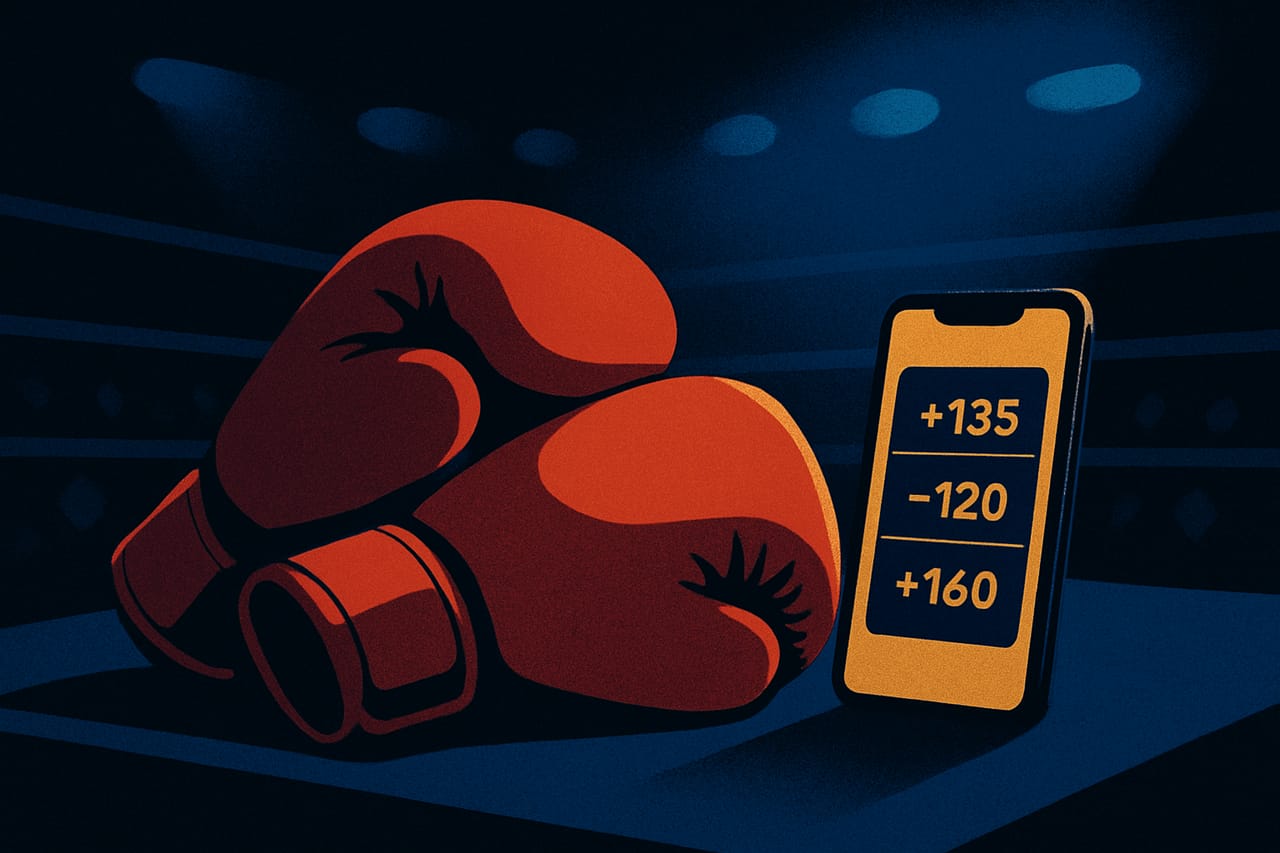

Tommy Fury's name is climbing search charts again, and it isn't just curiosity about his next opponent. Fans are checking odds boards before a single press release drops, and sportsbooks are already adjusting lines to match the traffic. If you're one of them, here's what actually moves those numbers.
Why Tommy Fury Searches Just Spiked
Every time a Fury steps toward the ring, search volume follows before the official poster does. Rumours of a comeback bout travel fast on social feeds, and betting apps notice the traffic within hours. Opening odds often go up before a fight is even confirmed, because bookmakers would rather post an early line than lose the first wave of interest to a rival.
This pattern isn't unique to Fury. Any recognisable name in combat sports triggers the same cycle: search spike, early odds, then a slower correction once details firm up. What's different here is the size of the jump, and that tends to mean casual bettors are joining alongside the regulars who follow every undercard.
For a lot of fans, fight night doubles as a casino night too. The build-up hours between weigh-in and walkout are exactly when people top up a balance and spin a few rounds while they wait. It's worth knowing how the odds you're about to bet on actually get built, because that's the part most punters skip past.
How The Odds Board Moves Before A Bell Rings
An opening line is a guess dressed up as a number. Bookmakers set it using past form, sparring reports, and how the last few comparable fights settled, then watch which way the money flows. If tickets pile up on one fighter, the price shortens for that side and lengthens for the other, regardless of who the bookmaker actually rates higher.
That's why a favourite can drift in the days before a fight even without new information. It's not a signal about form, it's a signal about where the public's money is sitting. Sharp bettors watch for that drift and sometimes bet against it, on the theory that public money is often wrong about styles and stamina.
Round and method markets move differently again. Knockout odds tighten as fight week nears and physical stats get compared side by side, while distance bets barely shift until the opening bell. Understanding which market you're actually backing, moneyline, method, or round range, matters more than reading the headline price.
In Play Betting And Cash Out, Explained
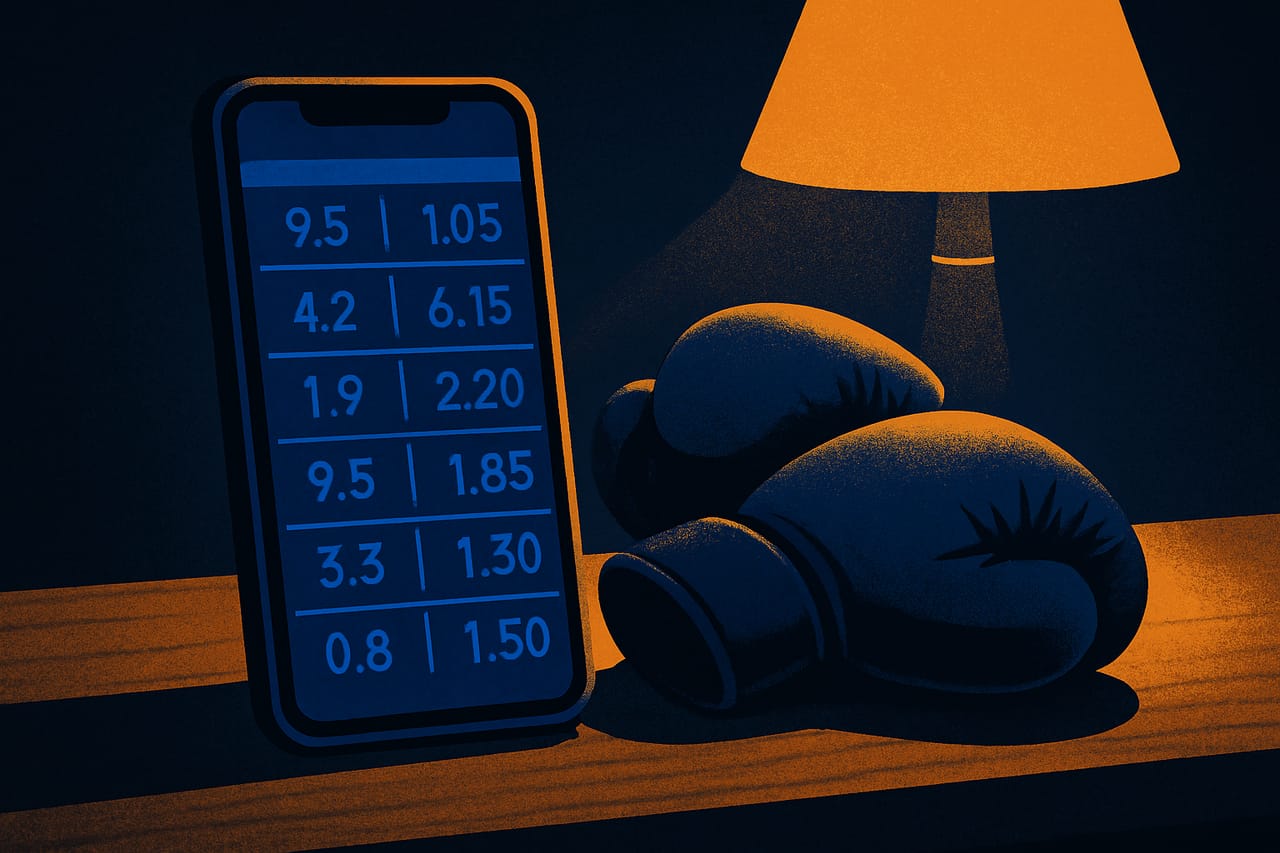
In play betting means the price keeps updating round by round while the fight is live. A fighter landing clean shots in round three will shorten instantly, even if the scorecards haven't caught up yet. This is where most fight night action actually happens now, more than the pre fight moneyline.
Cash out lets you settle a bet early, before the result is final, at a price the bookmaker offers based on the current state of play. Back the underdog before the fight and they're up on the cards by round six, and cash out gives you a guaranteed return smaller than the full payout but locked in regardless of what happens next. It works the other way too: cut a losing position early rather than watch it go to zero.
The trade off is simple. Cash out protects you from a late twist, but the price on offer is always shaded in the bookmaker's favour compared to letting the bet run. Treat it as insurance, not a strategy, and check the cash out value against the full potential payout before you tap confirm.
Where Casino Crosses Into Fight Night
Sites that run sportsbook and casino side by side often time free spin drops and deposit boosts to fight cards, the same way they do for major football weekends. A bout with this much search interest is exactly the kind of night operators build a promo calendar around.
PlayID and LuckyGem have both run round-tied free spin bundles during past headline bouts, dropping extra spins after specific rounds rather than all at once. Drakaris has favoured a simpler flat bonus on deposits made in the hours before the walkout, which suits anyone who wants to lock in a top up and then focus on the fight itself.
The appeal is obvious: you're already watching a screen, the wait between rounds is real, and a few spins fill that gap better than refreshing a live blog. None of this changes how the actual betting odds behave, it's a separate track running alongside them, and the two rarely interact beyond sharing your attention for one evening.
What To Check Before You Place A Bet
Before you back anything, check three things: the market you're actually betting (moneyline, method, or round range all pay differently), whether cash out is available on that specific bet type, and what the maximum stake is on a promo boosted price. Boosted odds usually come with a stake cap, and missing that cap before you bet is the most common way fans leave money on the table.
If you're moving between sportsbook and casino balances on the same night, confirm your deposit has cleared before kickoff. A pending verification check can hold up a withdrawal later even if it doesn't block your deposit now, so it's worth having that sorted before the fight starts rather than during the walkout.
Once the fight's called, settle up and decide if you're staying for a few more spins or calling it a night. Either way, check the terms on any fight night bonus before you claim it: wagering requirements on boosted offers are usually steeper than the standard welcome package.
Watch how the line moves before you back a side, treat cash out as insurance rather than a plan, and if you're spinning between rounds, check the wagering on any fight night bonus before you claim it. Compare the current fight night offers and pick your spot before the walkout music starts.